
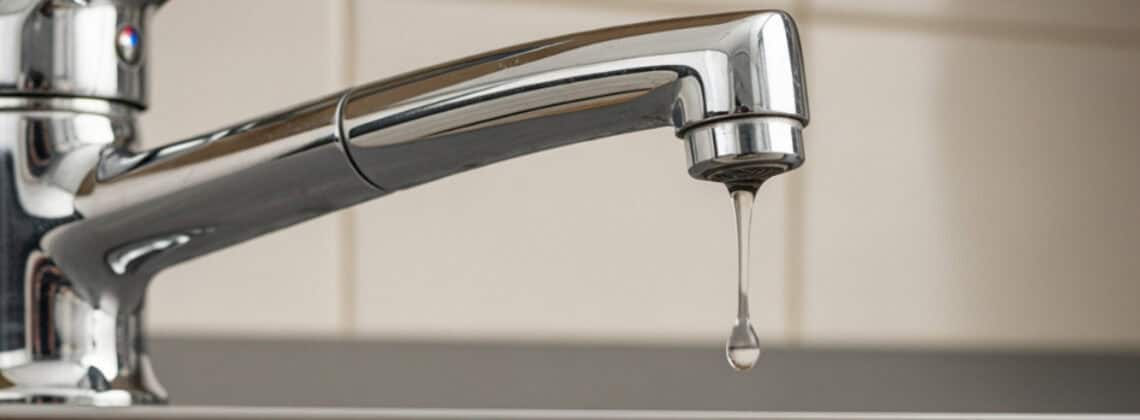
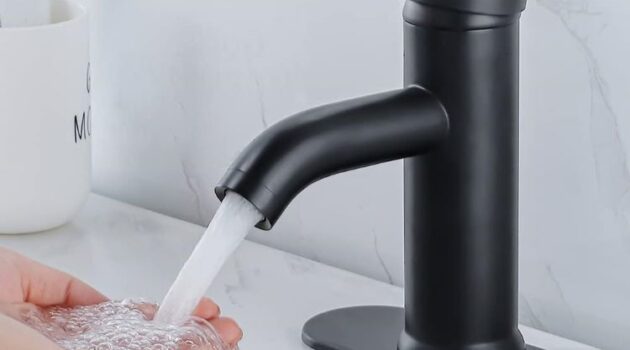
There is nothing quite like a weak, pathetic shower spray to ruin your morning. Or, a dishwasher that sounds like it’s struggling for hours just to fill up. Or a really slow faucet. These aren’t just little daily nuisances. They’re the first real warning signs that the pipes inside your walls are starting to look like clogged arteries.
Over the years, calcium and magnesium hitch a ride in your water. Eventually these minerals set up camp, slowly narrowing the path inside your copper or PEX pipes. As a result, your once-strong water pressure is a thing of the past.
Regular pipe flushing and maintenance is the most effective way to remove these calcium deposits and restore the high-pressure flow modern appliances and luxury fixtures require to function properly.
Understanding the Mechanics of Scale Accumulation
Think of hard water as the villain in your plumbing, dragging along heavy loads of dissolved magnesium and calcium. When hard water sits in your pipes or heater, the minerals settle out and form a crusty, rock-hard layer of limescale. Year after year, it just keeps getting thicker.
Eventually, the smooth inside of your plumbing turns into a rough, jagged mess that drags on every drop of water trying to get through. This constant friction acts like a brake on your water speed, eventually choking off a once-strong flow until it’s barely a shadow of its former self.
According to geological data on water hardness patterns, certain regions experience much more severe scaling than others. That’s why local plumbing care is an absolute necessity rather than a luxury.
Proactive Schedules for System Longevity
Step-by-Step Restoration of Water Velocity
Consistency is the secret to avoiding a total plumbing overhaul. While a standard home might only need a deep system purge once a year, homes in “hard water belts” often require attention every six months to keep ahead of the crust. Homeowners should also consider professional drain cleaning services to ensure the system’s exit points are as clear as the intake lines. Neglecting the drainage side can lead to back-pressure issues that further stress aging pipe joints and valves.
Restoring your home’s pressure involves more than just turning on a faucet; it requires a systematic approach to clear the “limbs” of your plumbing tree. Start by flushing your water heater to remove the heavy sediment at the base. Then move through the house from the lowest point to the highest.
It is also helpful to consult the Environmental Protection Agency’s drinking water quality guidelines to determine whether the particulates you are seeing are purely mineral-based or indicative of pipe corrosion. Removing and soaking aerators in a mild citric acid solution during this process will often provide an immediate, satisfying boost to fixture pressure.
Long-Term Prevention and Pipe Preservation
After you’ve finally cleared out the lines, the trick is keeping them that way. Installing a water softener or a salt-free descaler removes minerals before they can settle, preventing that nasty buildup from sticking to the inside of your pipes. This secondary layer of protection ensures that your efforts in pipe flushing and maintenance aren’t undone by heavy water usage within a few months.
By keeping the interior of your plumbing smooth, you reduce the workload on your well pump or municipal intake, resulting in a quieter, more efficient home environment that stands the test of time.
Regular Maintenance is the Key
You don’t always have to tear out walls or replace all your copper pipes to get your water pressure back, Typically, it’s just about paying attention. If you stay on top of flushing the lines and cleaning out the fixtures before mineral scale takes over, you’ll save yourself from a massive, expensive emergency repair down the road.
Keeping your pipes clear ensures that every shower remains refreshing and every appliance runs at peak efficiency, protecting both your comfort and your long-term property value.
You Might Also Be Interested in this Story
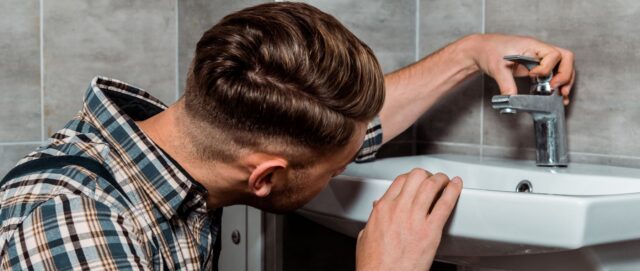
Here’s the easy way to install a new bathroom faucet. Click Here

Leave a Reply